Anderson Misunderstood Texts of the Bible
About Bibles
Anderson, Christopher – Annals of the English Bible
Annals of the English Bible
Anderson Robert – Forgotten Truths
Anderson, Sir Robert – Forgotten Truths
In this work by Anderson, Forgotten Truths, he looks at several points of interest that many glosses over without considering too profoundly. For example, the Eternal Word of God, the Blessing of the Gentiles, the Mystery of Christ, Christ’s return, the Church age, the rapture, the Bema seat, the evangelization of the world, etc.
Goodspeed An Introduction to the New Testament
Goodspeed An Introduction to the New Testament is a work on each book of the New Testament or group of books, discussing their introductory subjects (author, occasion, contents, problems, etc.)
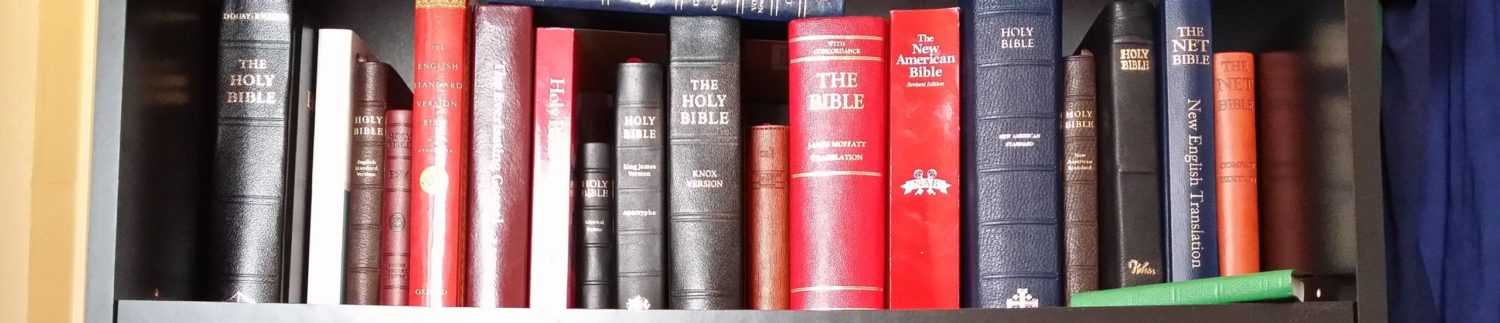
Understanding the differences between Bibles
This post is a little bit about the basics of the differences between Bibles.
101 cleared up contradictions in BIBLE by Jay Smith
There are verses in the Bible which seems to be misunderstood and seem to cause contradiction, Jay Smith addressed some 101 of such occurrences in the Bible.
adeney How to Read the Bible
Adeney How to Read the Bible is a help type work on Bible Study.
By Walter F. Adeney
New York Thomas Whittaker
1897
Table of Contents of Adeney How to Read the Bible
CONTENTS.
Preface…… 7
Introduction……… 9
Part L Principles…….. 15
Part II. How to Study the Various Parts of the Bible.
L The Old Testament…… 55
The Hexateuch…….. 57
The Historical Books…… 67
The Prophets…….. 73
The Psalms…….. 83
The Wisdom Literature…… 87
The Remaining Books…… 93
II. The New Testament
The Gospels
The Epistles
The Acts of the Apostles
The Revelation
Download
adeney-how-to-read-the-bible.gbk.twm (966 downloads )Adeney – Men of the Bible; Some Lesser-Known Characters
Adeney – Men of the Bible work of 20 chapters examines men in Scripture as character studies.
Machen, J. Gresham – The Literature and History of New Testament Times
Torrey, R.A. – How to Study the Bible
How to Study the Bible